
When it comes to quality pre-owned vehicles in Southeast England, Harpers of Essex stands apart from the competition. Established in 2022, this forward-thinking dealership has rapidly become synonymous with exceptional customer service, carefully curated vehicle selection, and transparent business practices. Whether you’re searching for a reliable family car, an efficient commuter vehicle, or a premium pre-owned luxury model, Harpers of Essex delivers an automotive retail experience that transforms the often stressful process of buying a used car into a seamless, satisfying journey.
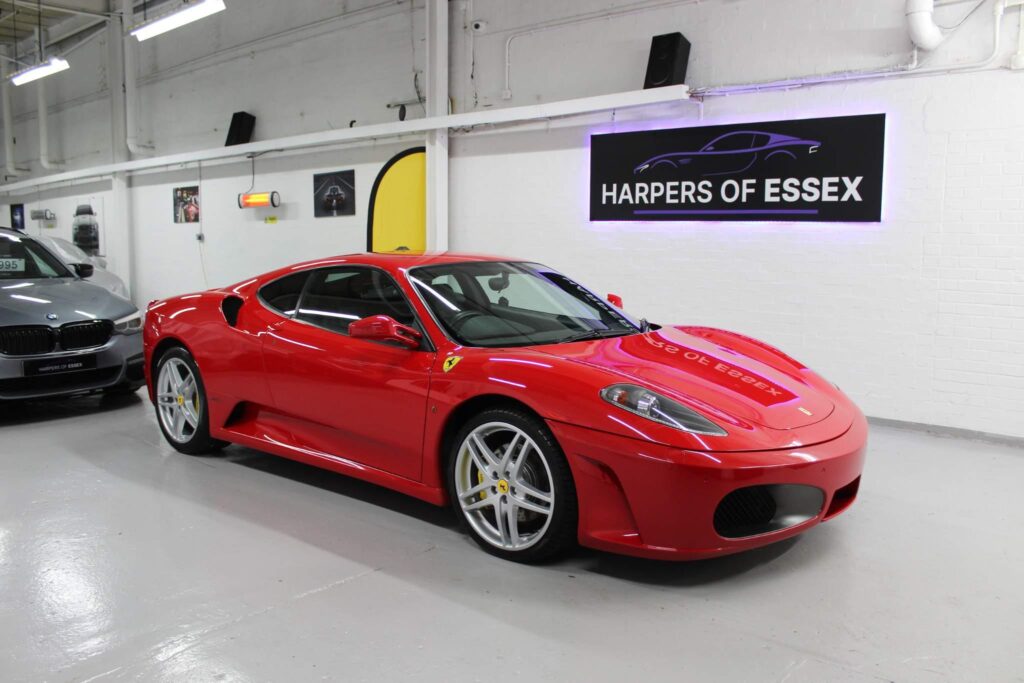
Introduction to Harpers of Essex
Harpers of Essex stands as one of the emerging specialized retailers in the secondhand automotive market across Essex and the greater London area. Established in late 2022, Harpers of Essex Ltd has quickly developed a reputation for quality pre-owned vehicles and customer-focused service that sets it apart in a competitive marketplace. Operating from their North London headquarters, this relatively young company has demonstrated remarkable growth and adaptability in an ever-changing automotive landscape.
As a registered UK company specializing in the sale of used cars and light motor vehicles, Harpers of Essex represents a new generation of automotive retailers who understand that the modern consumer requires more than just competitive pricing—they demand transparency, reliability, and exceptional customer service throughout their car-buying journey. This comprehensive guide explores everything you need to know about Harpers of Essex, from their business operations and leadership to their market position and future trajectory in the used vehicle industry.
Company Background and History
Formation and Early Development
Harpers of Essex Ltd was officially incorporated on November 24, 2022, marking the beginning of what would become a significant player in the used vehicle market in Southeast England. Registered with Companies House under company number #14503791, the business established its headquarters at Building 3 North London Business Park, Oakleigh Road South, London.
The company was founded with a clear vision: to transform the often stressful experience of purchasing a used vehicle into a straightforward, transparent, and customer-centric process. This philosophy has remained at the core of Harpers of Essex’s business model since its inception.
Organizational Evolution
Since its establishment, Harpers of Essex has undergone notable changes in leadership and ownership structure. Initially, Mr. Alfie Ernest Wiseman served as the company’s director from its incorporation date. However, on October 1, 2024, leadership transitioned to Ms. Claire Tina Larman, who currently serves as the active director of the company.
The ownership history reflects similar transitions. At incorporation, Carl Peter Maurice Saggers briefly held significant control of the company (from November 24, 2022, to December 1, 2022). Control then transferred to Alfie Ernest Wiseman, who maintained majority ownership until April 10, 2025, when Claire Tina Larman assumed the position of the individual with significant control, holding between 75% and 100% of shares and voting rights.
These transitions represent strategic evolutions in the company’s development, ensuring that leadership aligns with the growing vision and market position of Harpers of Essex.
Business Model and Operations

Core Business Activities
As indicated by its Standard Industrial Classification (SIC) code 45112, Harpers of Essex specializes in the “Sale of used cars and light motor vehicles.” This classification encompasses a range of activities including:
- Acquisition, refurbishment, and retail of pre-owned passenger vehicles
- Sales of light commercial vehicles under 3.5 tonnes
- Vehicle appraisal and valuation services
- Part-exchange and trade-in programs
- Limited warranty provision on qualified vehicles
The company operates primarily as a physical retailer, maintaining showroom facilities where customers can inspect and test drive vehicles before purchase. This traditional approach is complemented by digital marketing strategies that expand their reach beyond the immediate geographical area.
Financial Structure and Classification
From a financial reporting perspective, Harpers of Essex is classified as a MICRO ENTITY, reflecting its position as a smaller, yet growing business in the automotive retail sector. This classification carries specific accounting and reporting requirements, including:
- Simplified financial statement preparation
- Reduced disclosure requirements
- Streamlined reporting processes with Companies House
The company maintains its accounting reference date at April 30, with its most recent accounts made up to April 30, 2024. Their next accounts are due by January 31, 2026, providing a structured financial reporting timeline that aligns with their business planning cycles.
Operational Facilities and Location Strategy
The company’s registered address at North London Business Park positions it strategically between the dense urban market of London and the suburban and rural communities of Essex. This location offers several advantages:
- Accessibility to a diverse customer base across multiple counties
- Proximity to major transportation networks, facilitating vehicle acquisition and delivery
- Cost-effective business premises compared to central London locations
- Potential for expansion within an established business park environment
This location strategy allows Harpers of Essex to serve customers across a broad geographical area while maintaining operational efficiency and controlling overhead costs.
Leadership and Management
Current Leadership
Claire Tina Larman has served as the Director of Harpers of Essex since October 1, 2024. As both the director and the person with significant control, Ms. Larman holds between 75% and 100% of the company’s shares and voting rights, giving her substantial influence over the company’s strategic direction and operational decisions.
As a Company Director by occupation, Ms. Larman brings professional management expertise to the organization. Under her leadership, the company has continued to develop its market position while maintaining compliance with all regulatory requirements for UK limited companies.
Previous Leadership
Prior to Ms. Larman’s appointment, Alfie Ernest Wiseman served as the company’s director from its incorporation on November 24, 2022, until his resignation. During his tenure, Mr. Wiseman also held significant control of the company, maintaining between 75% and 100% of shares and voting rights from December 1, 2022, until April 10, 2025.
The transition from Mr. Wiseman to Ms. Larman represents a planned succession that has ensured continuity in the company’s operations while potentially bringing fresh perspectives to its management approach.
Management Philosophy
While specific details about the management philosophy at Harpers of Essex are not publicly disclosed in company filings, the organization’s approach can be inferred from its operational structure and market positioning. Key aspects likely include:
- Customer-centric service delivery
- Transparent business practices
- Strategic inventory management
- Selective vehicle acquisition processes
- Investment in staff training and development
- Adaptive marketing strategies across traditional and digital channels
This balanced approach to management has helped position Harpers of Essex as a respected retailer in a highly competitive market segment.
Market Position and Competitive Landscape
Regional Market Presence
Harpers of Essex operates within a diverse and competitive used vehicle market in Southeast England. The company’s name explicitly references Essex, indicating a strong regional identity and focus on serving communities within this county. However, their North London location suggests a broader target market that likely includes:
- Essex communities (Chelmsford, Basildon, Colchester, etc.)
- North and Northeast London boroughs
- Hertfordshire
- Parts of Suffolk and Cambridgeshire
This regional approach allows the company to develop specialized knowledge of local market conditions while maintaining a manageable operational footprint.
Competitive Differentiation
In a market saturated with used car retailers ranging from large national chains to small independent dealers, Harpers of Essex has worked to differentiate itself through:
- Curated Vehicle Selection: Rather than maximizing inventory volume, the company likely focuses on selecting quality pre-owned vehicles that meet specific reliability and value criteria.
- Transparent Transaction Processes: Eliminating the traditional high-pressure sales tactics often associated with used car dealerships in favor of straightforward pricing and condition disclosure.
- Specialized Regional Knowledge: Understanding the specific vehicle preferences and needs of customers in Essex and surrounding areas, from rural utility vehicles to efficient commuter cars for London workers.
- Personalized Customer Experience: Leveraging their size to provide more attentive service than larger national competitors.
- Digital-Physical Hybrid Approach: Balancing traditional showroom experiences with digital marketing and online inventory presentation.
Related Corporate Entities
The company information reveals several related entities that share similar naming conventions and registered addresses, suggesting a potential corporate grouping or expansion strategy:
- Harpers of Suffolk Ltd (incorporated April 16, 2024)
- Harpers of Yorkshire Ltd (incorporated April 16, 2024)
- Harpers of Hertfordshire Ltd (incorporated April 16, 2024)
This pattern indicates a possible regional expansion strategy where the “Harpers” brand is being extended to other counties in England, each as a separate limited company but potentially operating under similar business models and shared resources.
Vehicle Inventory and Specialization
Inventory Selection Criteria
While specific inventory details are not included in company registration information, Harpers of Essex likely maintains a selective approach to vehicle acquisition based on several factors:
- Vehicle age (typically 1-7 years old)
- Mileage thresholds appropriate to vehicle type and age
- Comprehensive service history and documentation
- Limited previous ownership
- Successful mechanical and electronic systems inspection
- Market demand within their target customer demographics
This selective approach helps maintain quality standards while optimizing inventory turnover rates.
Vehicle Categories
As a retailer of used cars and light motor vehicles, Harpers of Essex probably offers a diverse inventory that includes:
Passenger Vehicles
- Economy and compact cars
- Family sedans and hatchbacks
- Executive and luxury vehicles
- SUVs and crossovers
- Performance and sports cars
Light Commercial Vehicles
- Small vans and car-derived vans
- Mid-sized commercial vehicles
- Pickup trucks and utility vehicles
- Specialized light commercial vehicles
This diversity allows them to serve both private consumers and small business customers seeking reliable transportation solutions.
Value-Added Services
Beyond basic vehicle sales, companies in this sector typically enhance their offering with complementary services such as:
- Extended warranty options
- Vehicle history verification
- Financing arrangements
- Insurance solutions
- Aftermarket customization
- Service and maintenance packages
These additional services create revenue streams beyond the initial vehicle sale while improving customer satisfaction and potential repeat business.
Customer Experience and Service Philosophy
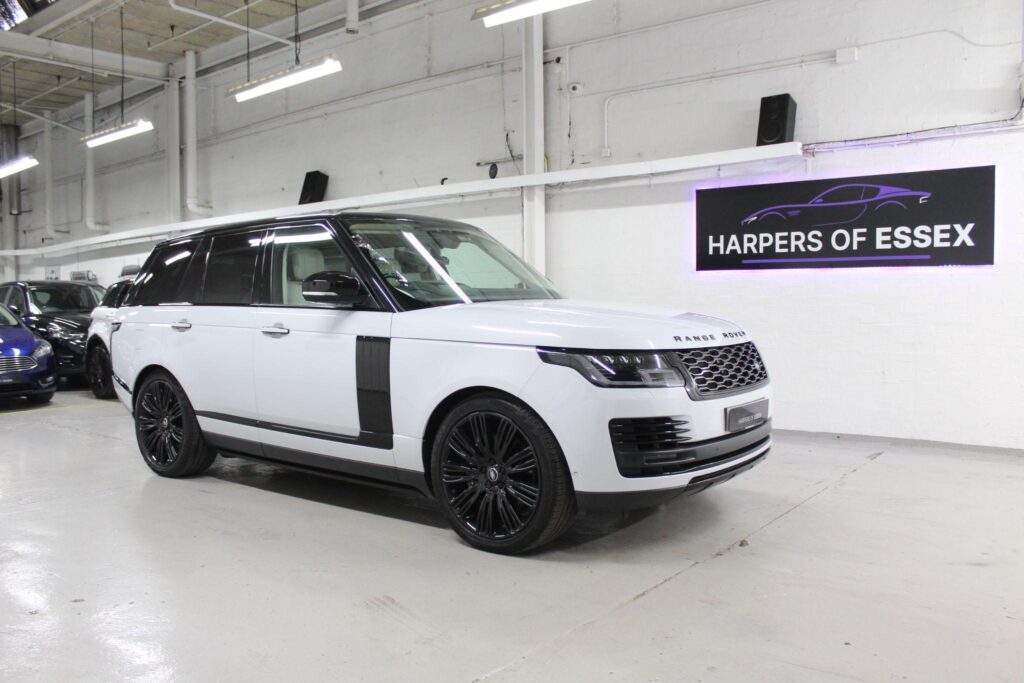
The Harpers Approach to Customer Service
Successful used vehicle retailers recognize that customer experience significantly impacts reputation and repeat business. Harpers of Essex likely emphasizes several key elements in their customer service approach:
- Consultative Selling: Focusing on understanding customer needs rather than pushing for immediate sales, helping customers find vehicles that genuinely meet their requirements.
- Transparent Vehicle History: Providing comprehensive information about each vehicle’s previous ownership, maintenance history, and condition.
- No-Pressure Environment: Creating a relaxed atmosphere where customers can explore options without feeling rushed or pressured.
- Knowledgeable Staff: Ensuring sales personnel have deep product knowledge and can answer detailed questions about vehicle specifications and features.
- Post-Sale Support: Maintaining relationships with customers after purchase through follow-up communication and accessible support channels.
Digital Customer Engagement
Modern automotive retailers must balance traditional in-person experiences with digital engagement. Harpers of Essex likely employs several digital strategies:
- Detailed online inventory with comprehensive vehicle information
- High-quality photography and possibly virtual tours of available vehicles
- Social media presence for community engagement and promotion
- Digital communication channels for customer inquiries
- Online reputation management and responsive feedback systems
These digital touchpoints complement the physical showroom experience, providing customers with research tools before they visit in person.
Building Long-Term Relationships
Rather than focusing solely on individual transactions, successful used car retailers like Harpers of Essex understand the value of developing long-term customer relationships that can lead to:
- Repeat purchases as customers upgrade vehicles
- Referrals to friends and family
- Positive online reviews and testimonials
- Consistent service and maintenance business
- Brand advocacy within the community
This relationship-centered approach represents a significant shift from traditional transactional models in used car sales.
Industry Trends and Market Adaptation
Evolving Consumer Preferences
The used vehicle market has undergone significant transformation in recent years, influenced by several factors that Harpers of Essex must navigate:
- Extended Vehicle Longevity: Modern vehicles remain reliable for longer periods, increasing consumer confidence in higher-mileage used options.
- Digital Research Dominance: Most buyers now conduct extensive online research before visiting dealerships, requiring transparent online information.
- Sustainability Considerations: Growing interest in fuel efficiency and lower-emission vehicles, including hybrid and electric options in the used market.
- Flexible Ownership Models: Increasing interest in alternatives to traditional ownership, including lease returns and subscription services.
- Value-Focused Purchasing: Economic pressures driving more consumers toward the used market as new vehicle prices continue to rise.
Harpers of Essex must continuously adapt their inventory selection and customer approach to align with these evolving preferences.
Technological Integration
Technology now permeates every aspect of automotive retail, from inventory management to customer experience. Modern used vehicle retailers typically leverage:
- Inventory management systems that optimize stock levels and vehicle turnover
- Digital vehicle inspection and condition reporting tools
- Customer relationship management platforms
- Data analytics for pricing optimization and market trend identification
- Digital marketing automation for targeted customer outreach
By embracing these technological solutions, Harpers of Essex can enhance operational efficiency while improving customer experience.
Economic Factors Affecting the Used Vehicle Market
The used vehicle market is particularly sensitive to broader economic conditions, which can impact both supply and demand:
- Inflation and interest rates affecting financing affordability
- New vehicle production challenges influencing used vehicle availability
- Fuel price fluctuations shifting preferences between vehicle categories
- Employment rates and consumer confidence affecting purchasing decisions
- Regulatory changes impacting vehicle depreciation and operating costs
Understanding these economic factors allows dealers like Harpers of Essex to anticipate market shifts and adjust their business strategies accordingly.
Regulatory Compliance and Business Ethics
Regulatory Framework
As a UK limited company operating in the automotive retail sector, Harpers of Essex must navigate a complex regulatory landscape that includes:
- Companies House filing and reporting requirements
- Financial Conduct Authority regulations regarding vehicle financing
- Consumer Rights Act provisions for used vehicle sales
- Trading Standards compliance for advertising and sales practices
- Data protection regulations for customer information
- Environmental regulations regarding vehicle emissions and disposal
Maintaining compliance across these various regulatory domains requires systematic processes and regular policy reviews.
Ethical Business Practices
Beyond legal compliance, reputable used vehicle retailers increasingly recognize the importance of ethical business practices that build trust and enhance reputation:
- Accurate vehicle condition disclosure
- Transparent pricing without hidden fees
- Honest communication about vehicle history
- Fair negotiation processes
- Responsible financing recommendations
- Environmental consciousness in operations
These ethical considerations align with changing consumer expectations and contribute to sustainable business growth through enhanced reputation and customer loyalty.
Industry Association Membership
Many quality-focused used vehicle retailers maintain memberships in industry associations that promote professional standards and best practices. While specific memberships are not disclosed in company filings, Harpers of Essex may participate in organizations such as:
- The National Association of Motor Auctions (NAMA)
- The Vehicle Remarketing Association (VRA)
- The Independent Motor Dealers Association (IMDA)
- Local chambers of commerce and business networks
These affiliations provide access to industry insights, professional development, and collective advocacy on issues affecting the sector.
Future Prospects and Strategic Direction
Expansion Potential
The establishment of related “Harpers” companies in Suffolk, Yorkshire, and Hertfordshire suggests a deliberate expansion strategy that may continue in several directions:
- Geographical Expansion: Further development of the regional model into additional counties, potentially creating a network of semi-autonomous but connected dealerships.
- Vertical Integration: Possible expansion into related services such as vehicle preparation, parts supply, or specialized reconditioning.
- Digital Transformation: Enhanced online sales capabilities, potentially moving toward a hybrid model that combines physical locations with direct-to-consumer delivery options.
- Inventory Diversification: Expanding into adjacent vehicle categories or specialized niches within the used vehicle market.
This multi-faceted expansion approach allows for growth while managing risk through diversification.
Challenges and Opportunities
Like all businesses in the automotive retail sector, Harpers of Essex faces both challenges and opportunities in the coming years:
Challenges
- Increasing competition from both traditional dealers and digital disruptors
- Potential economic volatility affecting consumer purchasing power
- Supply chain and inventory acquisition challenges
- Regulatory changes, particularly around emissions and vehicle standards
- Digital transformation requirements and associated investment needs
Opportunities
- Growing consumer preference for quality used vehicles as new car prices increase
- Digital innovation enabling more efficient operations and broader market reach
- Increasing interest in specialized vehicle categories
- Enhanced data analytics capabilities for inventory optimization
- Growing market for nearly-new vehicles coming off short-term leases
Navigating these challenges while capitalizing on opportunities will determine the company’s long-term success trajectory.
Sustainability and Adaptation
The automotive industry is undergoing transformative change, particularly regarding environmental sustainability and alternative powertrains. Forward-thinking used vehicle retailers must develop strategies for:
- Building expertise in hybrid and electric vehicle assessment and remarketing
- Understanding shifting consumer preferences toward more sustainable options
- Adapting facilities and services to support alternative powertrain vehicles
- Developing staff knowledge regarding emerging vehicle technologies
- Implementing environmentally responsible business practices
Proactive adaptation in these areas positions Harpers of Essex to remain relevant as the market evolves toward more sustainable transportation solutions.
Conclusion: The Harpers of Essex Advantage
In the dynamic and competitive used vehicle market of Southeast England, Harpers of Essex has established itself as a noteworthy contender despite its relatively recent formation. By focusing on quality, transparency, and customer experience, the company has created a foundation for sustainable growth in an industry often challenged by consumer skepticism and thin margins.
The strategic establishment of related “Harpers” entities in other counties suggests confidence in their business model and ambitions for broader regional presence. Under the leadership of Claire Tina Larman, the company appears positioned to continue its development while maintaining the core values that differentiate it in the marketplace.
For consumers seeking quality pre-owned vehicles in Essex and surrounding areas, Harpers of Essex represents a retailer committed to redefining expectations in the used car buying experience. Their approach balances traditional automotive retail strengths with modern consumer expectations, creating a model that can adapt to the evolving landscape of personal transportation.
As vehicle technology, consumer preferences, and market conditions continue to evolve, Harpers of Essex demonstrates the agility and vision necessary to navigate change while delivering consistent value to their customers. This combination of traditional automotive retail expertise and forward-thinking adaptation positions them as a noteworthy player in the region’s automotive retail sector for years to come.
